Calculator
Pea gravel calculator
Enter the area and the depth to get cubic yards, tons and bags of pea gravel. The weight is set for pea gravel and can be changed to match your supplier.
Pea gravel calculator
| Quantity | Amount |
|---|
Volume is exact geometry. Weight depends on the density you enter, so treat tons as an ordering estimate and confirm with the supplier.
How to use the pea gravel calculator
Measure the area in feet, choose the shape, and enter the finished depth in inches. The calculator returns cubic feet, cubic yards, pounds, tons and the number of half-cubic-foot bags. The 10 percent waste allowance covers settling and the gravel that ends up outside the edging; set it to zero if you want the bare geometric volume.
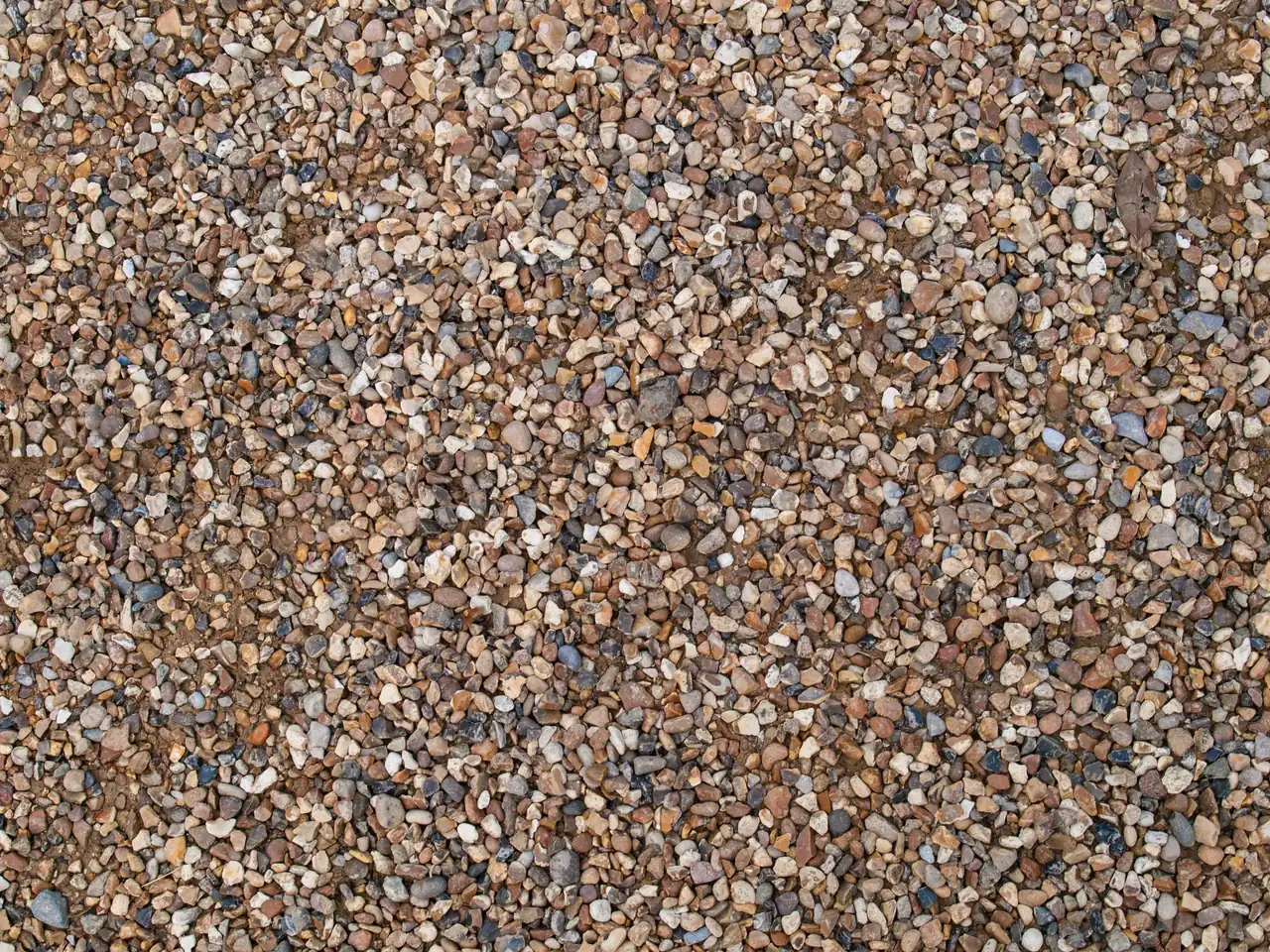
How much pea gravel do I need: the formula
- Area in square feet (length times width for a rectangle).
- Cubic feet: area times depth in inches, divided by 12.
- Cubic yards: cubic feet divided by 27.
- Tons: cubic yards times 2,800, divided by 2,000.
Worked example
A 12 by 12 foot patio, 3 inches deep. Area is 144 square feet, volume is 36 cubic feet, or 1.33 cubic yards. Adding 10 percent gives 39.6 cubic feet, 1.47 cubic yards. At 2,800 pounds per cubic yard that weighs 4,107 pounds, just over 2 tons, or 80 bags of the half-cubic-foot size.
Pea gravel coverage
| Depth | Cubic yards per 100 sq ft | Square feet one cubic yard covers |
|---|---|---|
| 2 in | 0.62 | 162 |
| 3 in | 0.93 | 108 |
| 4 in | 1.23 | 81 |
| 6 in | 1.85 | 54 |
| Depth | Square feet per ton |
|---|---|
| 2 in | 116 |
| 3 in | 77 |
| 4 in | 58 |
What pea gravel weighs
Suppliers commonly quote pea gravel at about 2,800 pounds per cubic yard, which is 1.4 tons. Published figures range from roughly 2,400 to 3,000 pounds depending on the stone and how wet it is, so the calculator lets you overwrite the weight. Volume does not change with moisture; tonnage does, and a yard that weighs wet stone will deliver fewer cubic yards per ton.
How deep to lay pea gravel
Two to three inches is the usual range for paths and patios: deep enough to hide the base, shallow enough to walk on without sinking. Pea gravel is round and does not lock together, so it needs solid edging to hold it and a compacted base beneath it. Deeper is not better on a walking surface.
Pea gravel and drainage
Pea gravel is a surface material first. For a drain trench, the French drain pipe, gravel and fabric guide explains which stone to use around the pipe, and the French drain gravel calculator works out the trench quantity with the pipe subtracted. For other stone, use the general rock calculator or the river rock calculator.
If the reason for the gravel is standing water, start with the yard drainage solutions overview or the guide to a French drain in a yard; a gravel surface over a wet spot hides the water without moving it. All tools are on the calculators page.
Common questions
How much pea gravel do I need?
Multiply the area in square feet by the depth in inches and divide by 12 to get cubic feet, then divide by 27 for cubic yards. A 12 by 12 foot patio at 3 inches deep needs 36 cubic feet, which is 1.33 cubic yards, or about 1.9 tons at 2,800 pounds per cubic yard.
How many square feet does a ton of pea gravel cover?
At 2,800 pounds per cubic yard, a ton of pea gravel covers about 116 square feet at 2 inches deep, 77 square feet at 3 inches and 58 square feet at 4 inches.
How many bags of pea gravel are in a cubic yard?
A cubic yard is 27 cubic feet, so it takes 54 bags of the common 0.5 cubic foot size. Above about half a cubic yard, bulk delivery is usually the practical choice.
Is pea gravel good for a French drain?
Washed pea gravel drains, and some installers use it. Washed angular crushed stone is the more common choice around the pipe because it locks in place and does not shift. Pea gravel is better suited to surfaces such as paths and patios.